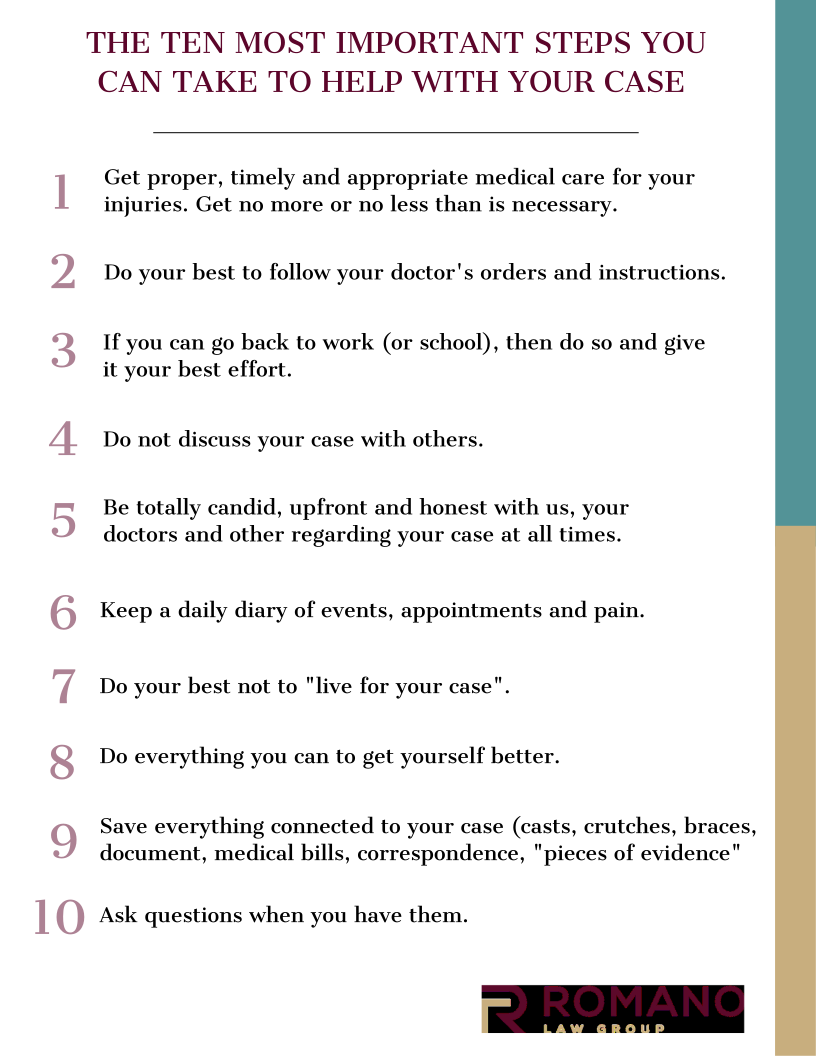
The most important steps you can take to help your personal injury case are to get timely medical care, follow your doctor’s instructions, be honest, avoid discussing your case publicly, keep records, preserve evidence, and ask questions when you need guidance.
Your actions after an accident can affect your health. They can also affect your credibility and the strength of your claim.
Every case is different. However, these steps can help protect your recovery and give your legal team the information they need.
Why Is Medical Care So Important After an Accident?
Get proper, appropriate, and timely medical care for your injuries.
Medical care protects your health. It also creates records that help document your injuries and treatment.
You should not ignore pain or wait too long to see a doctor. Some injuries may get worse over time. Neck pain, back pain, headaches, dizziness, numbness, and soreness may not fully appear right away.
At the same time, your treatment should be appropriate for your injuries. Get the care you need. Do not receive more treatment than necessary, and do not receive less than your condition requires.
Your doctors are in the best position to recommend the care you need.
Why Should You Follow Your Doctor’s Instructions?
Do your best to follow your doctor’s orders and instructions.
This may include attending appointments, taking medication as directed, going to physical therapy, completing imaging, following work restrictions, or seeing a specialist.
If you miss appointments or stop treatment early, the insurance company may use that against you. It may argue that your injuries were not serious or that you failed to follow medical advice.
If you cannot attend an appointment, reschedule it as soon as possible. If you have concerns about treatment, talk to your doctor.
Good medical follow-through helps your health and your case.
Should You Return to Work or School If You Are Able?
If you can return to work or school safely, you should do so and give it your best effort.
Returning to normal activities when medically appropriate can show that you are trying to move forward. It can also help reduce financial stress.
However, you should not ignore your doctor’s restrictions. If your doctor says you should avoid lifting, standing, driving, or certain work duties, follow that guidance.
Tell your attorney if your injuries affect your ability to work or attend school. You should also share any work notes, restrictions, missed time, reduced hours, or changes in job duties.
Why Should You Avoid Discussing Your Case With Others?
Do not discuss your case with others unless your attorney says it is appropriate.
This includes conversations with insurance adjusters, opposing parties, coworkers, acquaintances, and people online.
You should also avoid posting about your accident, injuries, medical treatment, settlement discussions, or legal strategy on social media.
Insurance companies may look for statements, photos, videos, or comments they can use against your claim. Even innocent posts can be taken out of context.
When in doubt, keep case details private and speak with your attorney.
Why Is Honesty Important in a Personal Injury Case?
Be completely candid, upfront, and honest with your attorney, your doctors, and everyone involved in your case.
Your attorney needs accurate information to protect you. Your doctors need accurate information to treat you.
Tell the truth about how the accident happened, what injuries you have, how you feel, your prior medical history, and how the injury affects your life.
Do not exaggerate your symptoms. Do not minimize them either. Be specific and honest.
If there is a fact that worries you, tell your attorney. It is better for your legal team to know early than to be surprised later.
Should You Keep a Diary After an Accident?
Yes. A diary can help document what you experience after the accident.
You can use it to track pain, symptoms, doctor visits, missed work, medication, sleep problems, emotional stress, and limits on daily activities.
Your diary may include notes about:
- Pain levels
- New or worsening symptoms
- Medical appointments
- Physical limitations
- Missed work or school
- Activities you cannot do
- Help you need from others
- Emotional effects
- Sleep problems
- Out-of-pocket expenses
Keep your notes honest and simple. Do not exaggerate. The purpose is to help you remember what happened during your recovery.
What Does It Mean Not to “Live for Your Case”?
Do your best not to live for your case.
A personal injury claim is important, but your health and recovery matter most. Try not to let the case control every part of your life.
Focus on getting better. Follow your medical plan. Stay organized. Communicate with your attorney when needed.
You do not need to think about the case every moment of the day. Your legal team can handle the legal process while you focus on healing.
How Can You Focus on Getting Better?
Do everything you reasonably can to improve your health.
That may include following treatment recommendations, staying active within your doctor’s limits, attending therapy, resting when needed, eating well, and asking for help when necessary.
Your recovery may take time. Some days may be better than others.
Keep your attorney updated if your condition changes. New symptoms, new diagnoses, new treatment plans, or new work restrictions may affect your case.
What Evidence and Documents Should You Save?
Save anything connected with your case.
This may include:
- Medical bills
- Medical records
- Prescription receipts
- Braces
- Casts
- Crutches
- Slings
- Medical devices
- Photos of injuries
- Photos of the accident scene
- Vehicle repair estimates
- Insurance letters
- Emails or text messages
- Work restriction notes
- Pay stubs
- Wage records
- Out-of-pocket expense receipts
- Damaged personal property
- Any physical evidence related to the accident
Do not throw away items that may relate to your injuries or the accident. If you are unsure whether something matters, save it and ask your attorney.
Why Should You Ask Questions During Your Case?
Ask questions whenever you have them.
A personal injury case can feel confusing. You may have questions about medical bills, insurance calls, treatment, settlement, timelines, documents, or what to do next.
Your legal team is there to guide you. Asking questions can help you avoid mistakes and feel more comfortable with the process.
Good communication also helps your attorney understand your concerns and keep the case moving forward.
Injured? Romano Law Group Can Help.
The steps you take after an accident can affect your health and your claim.
Romano Law Group can help you understand what to do, what to avoid, and how to protect your recovery.
Injured? Contact our family-owned personal injury law firm today. There is no fee until we win your case.