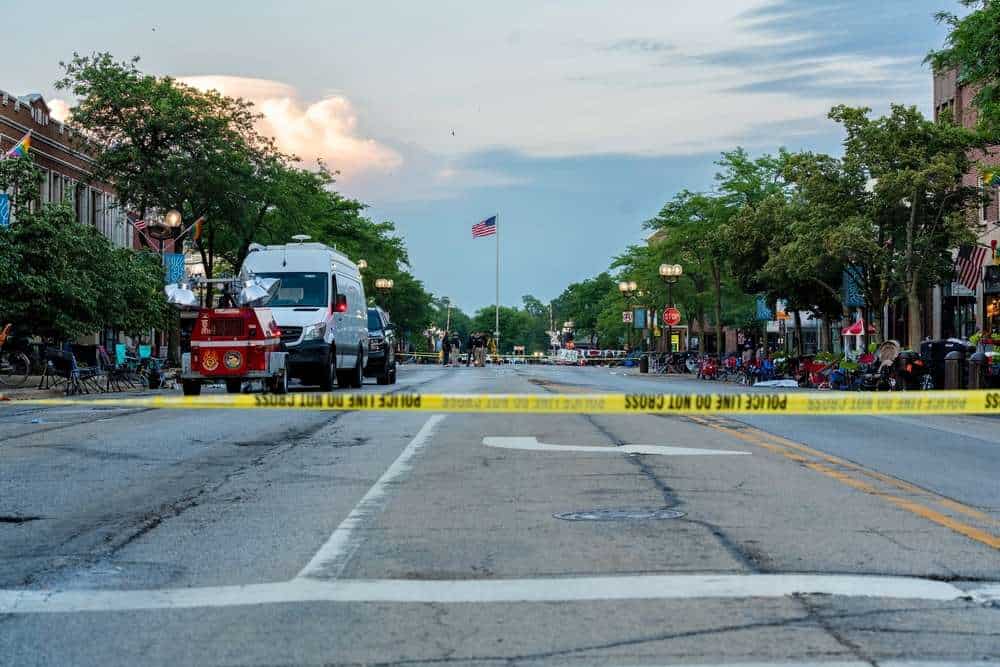
Every July, we brace for it. Independence Day is consistently one of the deadliest days on American roads. John Romano has handled these cases for decades, and his take doesn’t change year to year: it’s almost always the same three-hour window, 9 p.m. to midnight, and it’s almost always the same cause.
Why Is the Fourth of July So Dangerous for Drivers?
Quick answer: More cars, more alcohol, and more nighttime driving collide on Independence Day in a way that doesn’t happen the rest of the year. Florida’s numbers show it.
From 2020 to 2024, crashes killed 2,719 people during the Fourth of July holiday period nationwide. Legally drunk drivers accounted for 38% of those killed — the highest impaired-driver share of any major U.S. holiday, according to NHTSA’s Fatality Analysis Reporting System. Nearly a quarter of those deaths happened in a single three-hour window: 9 p.m. to midnight. That’s right as fireworks end and everyone gets back in their cars at once. Florida alone accounted for 209 of those deaths — more than all but two other states.
That matters if you’re driving in West Palm Beach this weekend. You’re not just sharing the road with more drivers than usual — you’re sharing it with more impaired ones, concentrated into the exact hours when visibility is worst and reaction time matters most.
What Should You Do After a Fourth of July Car Accident?
Quick answer: Call 911, document everything at the scene, and see a doctor even if you feel fine. Avoid discussing fault with the other driver’s insurance company before speaking with an attorney.
Adrenaline masks pain. We’ve had clients walk away from a Fourth of July crash feeling fine. They woke up the next morning unable to get out of bed. So the first rule is simple: see a doctor, even if nothing hurts yet.
Beyond that:
- Call 911 and get a police report. It’s the first piece of evidence in your file, and it’s much harder to get later.
- Take photos immediately — the vehicles, the road, any skid marks, the other driver’s condition if you suspect impairment.
- Get names and numbers from witnesses. Fireworks crowds mean there’s often someone nearby who saw what happened, but they won’t stick around.
- Say as little as possible to the other driver’s insurance company. They call fast, and they’re not calling to help you.
Who’s Liable in a Holiday Weekend Crash?
Most Fourth of July crashes trace back to one of three things: a drunk driver, a distracted driver checking their phone at a red light, or a driver who didn’t account for heavier holiday traffic. Sometimes more than one of these overlaps.
Florida is also a comparative negligence state — you can still recover compensation even if you were partially at fault, though your award drops by your percentage of fault. That distinction matters a lot in holiday-weekend cases, where insurance companies often try to pin partial blame on the victim to shrink a payout. Determining exactly who’s responsible, and proving it, is the kind of investigation our auto accident attorneys do every week.
What About Fireworks-Related Injuries?
Car crashes aren’t the only Fourth of July risk. Fireworks injuries — burns, eye injuries, and hand injuries from consumer fireworks or malfunctioning displays — spike every year around the holiday. Liability in these cases can fall on a negligent individual, an event organizer, or in some cases a defective product manufacturer. If fireworks hurt you and not just a car accident, the same urgency applies: get medical attention first, legal advice second.
Common Injuries We See From Holiday Crashes
Traumatic brain injuries, spinal cord damage, and burns top the list every year — these are high-speed, high-alcohol crashes, and the injuries reflect that. We also see a lot of soft-tissue and whiplash injuries. They don’t show up on an X-ray the night of the crash, but they turn into months of physical therapy once the adrenaline wears off.
Injured This Weekend? Here’s What to Do Next
Statute of limitations aside, the honest answer is: call us before you call your insurance company. Evidence disappears fast — skid marks fade, surveillance systems overwrite footage, and witnesses move on. The sooner you call us, the more we can preserve.
Romano Law Group has been a family-owned firm serving West Palm Beach since 1950. There’s no fee unless we win. If a crash or fireworks hurt you or someone you love this Fourth of July, contact us at 561-533-6700 — day or night.