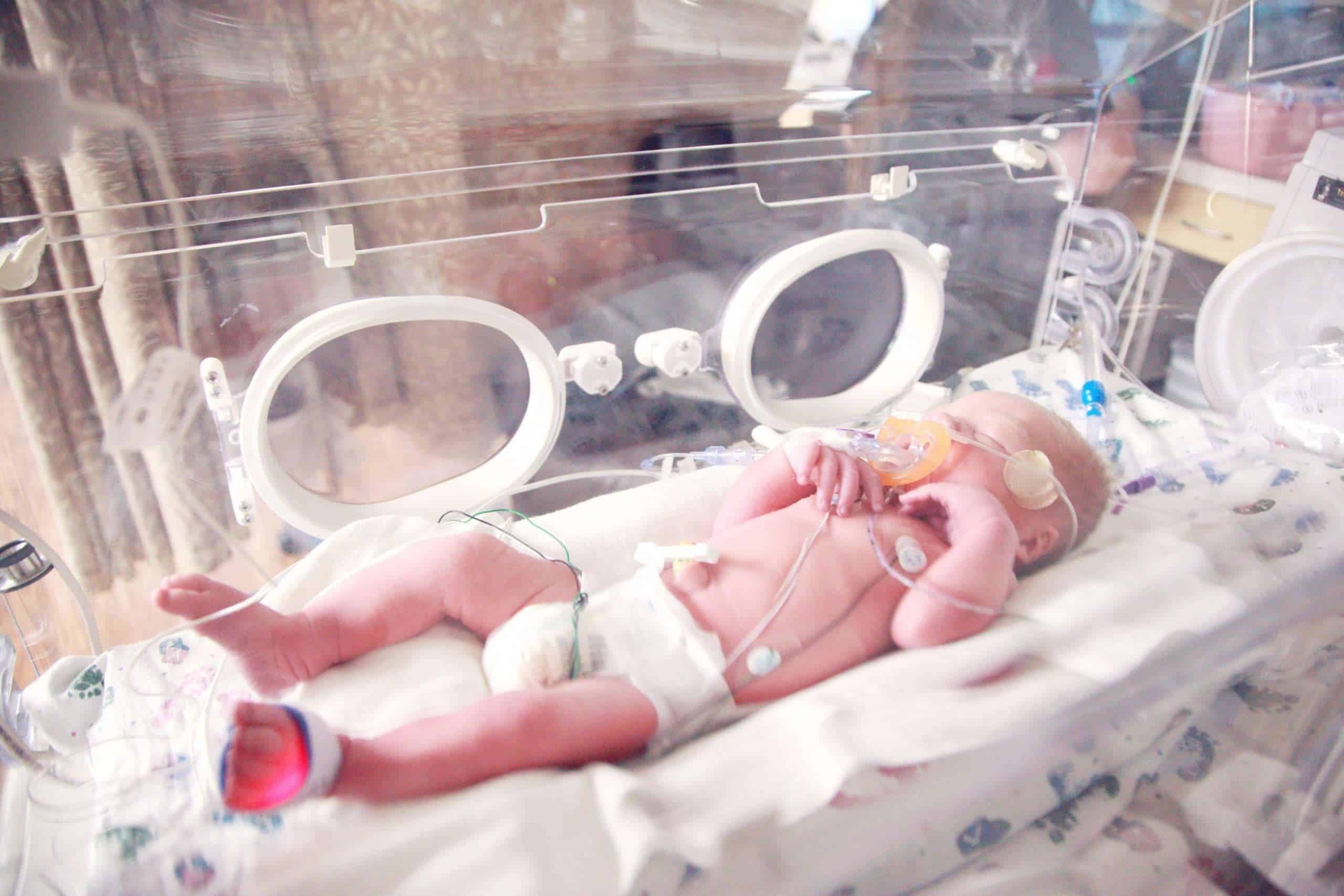
Becoming a new mom, having just brought new life into the world, should be one of the most wonderful times in your life. Most certainly, you are tired, stressed, and running on adrenaline, above all you are filled with joy. Meanwhile, your baby is a preemie, which adds to your stress, however, the hospital and doctors are taking great care of your little one. You are told your preemie needs to be supplemented with formula, and even though you know that breast milk is best, a preemie changes all of your best intentions. Of course, you want to make the best decision for the health of your child. You are told, this is it. Your baby needs the nourishment of formula. Days later, your baby is gone.
In a tragic twist, the formula is actually making your baby sicker. Perhaps even worse.
Lack of warning on packaging, leading to baby formula lawsuits
Currently, there are no warnings on baby formula products to advise physicians, nurses, and hospital staff of the consequences of feeding premature infants cow’s milk-based formula. As a result, the hospital is not adequately warned of potential harm, new mothers are not warned of the risks and cannot make the best choice for their child. And so, cow’s milk-based products are given freely to premature infants.
Studies dating back to at least the 1960s have investigated the effect of breast milk on premature infants. While it was obvious that breast milk was the best option for infants, increasingly, as science and research advanced, it became clear that there is a significant risk of developing necrotizing enterocolitis after ingestion of cow’s milk-based premature infant formula in premature infants. Yet, formula companies have failed to heed the information in these widely known studies. Therefore, cow’s milk-based premature infant formula has been on the market for years despite the injury and death that can follow the diagnosis of necrotizing enterocolitis.
Cow’s milk-based formulas are not the only products in the market to feed premature infants. Human milk donor banks and formula which is human milk-based are alternative products, and are widely available and can lower the chances of a premature infant developing necrotizing enterocolitis. In spite of this, manufacturers continue to sell their cow’s milk-based products and subject premature infants to unthinkable risks.
What is NEC?
Necrotizing enterocolitis is a serious disease of the gastrointestinal tract, which mainly affects premature infants. It occurs when bacteria penetrate the intestinal wall, causing inflammation, ischemia, perforation, abnormal gut microbiome, and death of all or part of the intestine.
Symptoms of necrotizing enterocolitis seen in premature infants often include abdominal pain and swelling, changes in heart rate, blood pressure, body temperature, bloody stool, vomiting, and lethargy. Treatment can include antibiotics, enteral feedings (through a tube), surgery to remove portions of the intestine, and blood transfusions. Irreparable harm is caused to many infants, even in cases where they recover from necrotizing enterocolitis. Many children suffer from a failure to thrive, short gut syndrome, gastritis, brain injury or cerebral palsy. Unfortunately, by the time symptoms of necrotizing enterocolitis are identified and necrotizing enterocolitis is diagnosed, it is often too late. To date, there is no definitive cure for this horrible disease.
Who is at greatest risk for NEC?
Premature infants are a fragile population. Premature infants include preterm infants, meaning infants born before the gestational age of 37 weeks, and low birth weight infants, infants born under about 5.5 pounds. These infants are born with an immature gastrointestinal tract, underdeveloped cardiac, respiratory, and immune systems, making them more susceptible to disease and infection than a full-term infant. An example of one such disease is necrotizing enterocolitis (NEC).
Most importantly, if your baby was born premature, keep an eye out for these symptoms:
- Abdominal swelling
- Abdominal pain
- Bloody stool
- Vomit (green)
- Changes in blood pressure, heart rate, and temperature
- Inability to gain weight
NEC can quickly escalate from mild symptoms to fatal. For instance, some babies will recover fully from NEC, however, some will have lifelong health issues.
Frequently asked questions regarding NEC baby formula lawsuits
- What are the responsibilities of the manufacturers of the baby formula?
Above all, we believe that manufacturers are responsible for making their products safe for human consumption. And baby formula manufacturers are certainly responsible for ensuring that all risks of using their products are clearly marked on the labels and otherwise made known. Without these warnings, parents are not able to make the best decisions for their baby.
- Can you hold the manufacturers responsible?
Yes, when a manufacturer violates its responsibility to warn people of a potentially harmful product, that manufacturer can be held responsible for any harm and/or death that may occur.
- What are the statutes of limitations on these cases?
This is a complicated question. Depending on the state in which the harm took place, the statute of limitations can be different. Reach out today to schedule a consultation to speak to one of our qualified attorneys to discuss your baby’s NEC diagnosis, or you suspect your infant has NEC.
- How can Romano Law Group help you?
Our firm has been at the forefront of baby formula lawsuits, filing one of the first in the country. Romano Law Group can help families of infants harmed by drinking cow’s milk-based baby formula. In cases like this, preserving evidence is of utmost importance. Our attorneys can guide you in the process, answer your important questions and help hold the manufacturers responsible for any harm that occurred to your baby.
Authored by Marjorie H. Levine, Esq.